
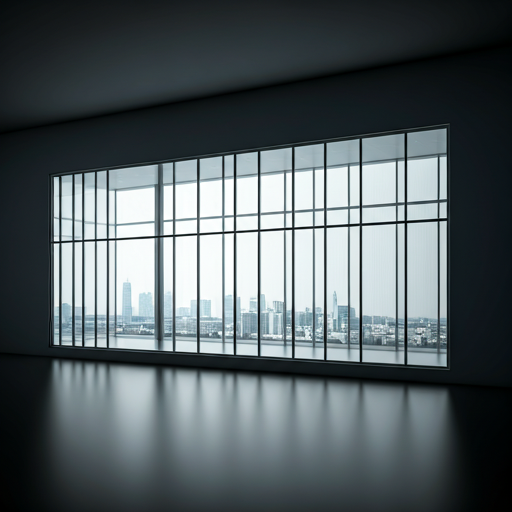
What You Need to Know Before Choosing Security Window Films for Your Property?

Ever wondered why a simple sheet of film can stand between your window and a shattered mess? That’s the quiet power of security window films, and if you’re searching for security window films in the Philippines, you’re already on the right track toward safer, cooler, and more private spaces. But not all films are created equal, and choosing the wrong one can leave you paying for protection that barely protects. Stick with us, because this guide breaks down exactly what to look for before you make your pick.

What Are Security Window Films? Breaking Down the Basics

Security window films are thin, durable layers applied directly to glass surfaces, designed to hold shattered glass together, block harmful UV rays, and reduce heat without blocking your view. Think of them as an invisible shield bonded to your windows.

Things You Need to Know Before Choosing Security Window Films for Your Property

Check the Brand’s Origin and Track Record

Not every film is built the same, and origin matters more than people realize. Nano-Tech, a brand engineered in Japan, has built a reputation for precision manufacturing and consistent quality, giving buyers confidence that the film will perform as promised.

Look at the Heat Rejection Percentage

One of the biggest perks of quality security window film is heat control. Nano-Tech films can reject up to 99% of solar heat, meaning rooms stay noticeably cooler, air conditioning works less, and energy bills quietly shrink over time.

Understand the UV Protection Levels

Sunlight doesn’t just heat up a room; it fades furniture, damages flooring, and affects skin over time. Films like the ADUV900 from Nano-Tech are built to block a significant portion of UV rays, protecting both interiors and family members.

Match Film Thickness to Your Security Needs

Thicker films generally offer stronger resistance against impact, making them harder to break through. If your property faces higher-risk areas or busy streets, opting for a thicker security window film adds an extra layer of peace of mind.

Consider Privacy Without Losing Natural Light

Some films come tinted or frosted, offering privacy from prying eyes while still letting daylight filter through softly. This balance works especially well for ground-floor windows, home offices, or rooms facing busy streets and neighboring buildings.

Factor in Installation Quality

Poor installation can make even the best film underperform! Bubbles, peeling edges, or uneven application can ruin both appearance and function, so always choose experienced installers familiar with handling premium films like Nano-Tech for a flawless finish.

Think About Long-Term Maintenance

Quality security window films are low maintenance, needing only occasional cleaning with mild solutions. Avoid abrasive tools that could scratch the surface, and your film should maintain its clarity and protective qualities for years.

Compare Warranty and After-Sales Support

Keep in mind that a solid warranty reflects a brand’s confidence in its product. Before finalizing your choice, check what’s covered, how long the warranty lasts, and whether after-sales support is readily available if issues arise later.

Wrapping It All Up: Smart Choices for a Safer Space

Choosing the right film isn’t just about ticking boxes; it’s about creating a home or office that feels cooler, safer, and more private every single day. With trusted names like Nano-Tech offering up to 99% heat rejection and advanced UV protection through options like ADUV900, finding reliable security window films in the Philippines becomes a lot easier. Take your time, ask the right questions, and pick a film that genuinely fits your space, your budget, and your peace of mind for years to come, because the right film today can save you headaches tomorrow.


Frequently Asked Questions

Can security window films be installed on all types of glass?

Most security window films work well on standard glass, but tinted, tempered, or curved glass may need special film types, so checking compatibility beforehand is recommended.

Will security window films completely stop a window from breaking?

No, the film won’t prevent breakage entirely, but it holds shattered pieces together, reducing flying glass and slowing down forced entry attempts significantly.

Does Nano-Tech film affect how windows look from the outside?

Nano-Tech films are designed to be nearly invisible from outside, maintaining your property’s appearance while quietly working to block heat and harmful rays.

How long does it take for security window film to be installed?

Installation time depends on the number and size of windows, but most residential projects are completed within a single day by experienced professionals.

Is ADUV900 film suitable for homes with young children or pets?

Yes, ADUV900 adds shatter resistance and UV protection, making it a thoughtful choice for households with curious kids, pets, or frequent foot traffic near glass.
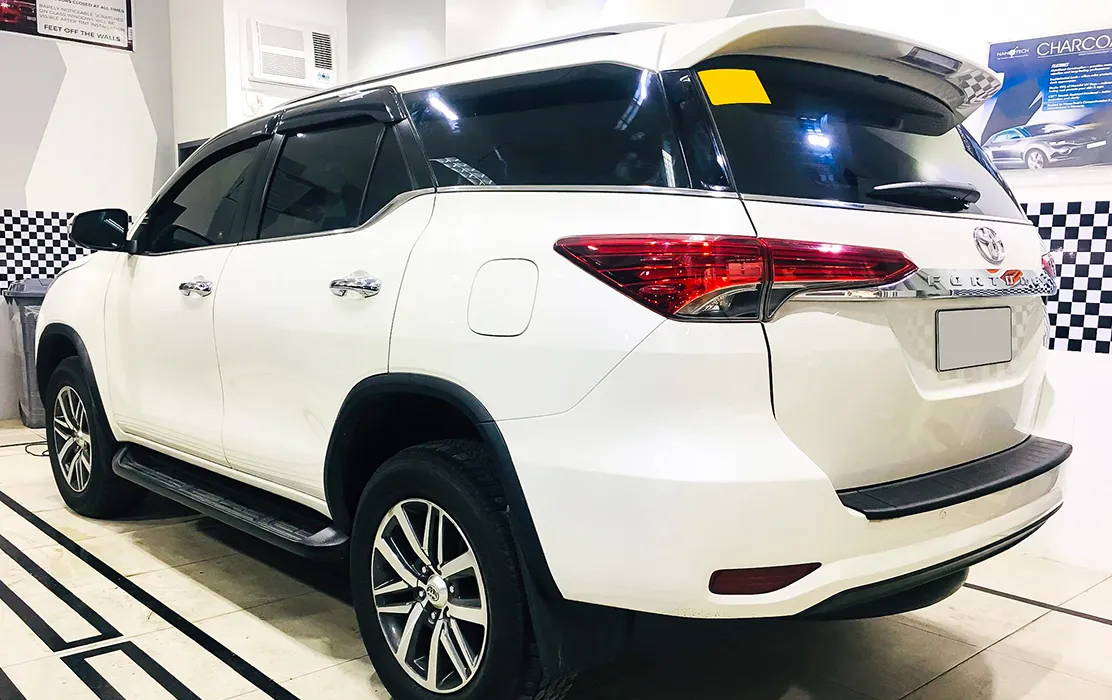

What Are the Long-Term Benefits of Installing Nano-Tech Window Tint in Your Vehicle?

Ever sat in a car so hot that the steering wheel felt like a frying pan? That’s a problem modern drivers are solving with Nano-Tech window tint, a Japanese-engineered film built to handle heat and sun without losing its edge. While most people think of tint as just a style choice, the real value shows up months and years down the road. Stick around, because the long-term perks of this film might just change the way you see your car’s windows forever, and your wallet too.

Decoding Nano-Tech: The Japanese Film That’s Changing Car Windows

Nano-Tech is a window film technology developed in Japan, designed using advanced nano-ceramic particles that block heat and UV rays without the metallic shine of older tints. It’s engineered to stay clear, durable, and signal-friendly, making it a favorite choice of drivers who want performance without compromise. 

Beyond Style: Why Your Car Actually Needs Window Tint

Window tint isn’t just about looking sleek on the road. It shields passengers from harsh sunlight, keeps cabin temperatures lower, protects upholstery from fading, and adds a layer of privacy, all while reducing glare that can strain your eyes during long drives.

Long-Term Benefits of Installing Nano-Tech Window Tint in Your Vehicle

Cooler Cabins, Even Under Blazing Sun: With heat rejection reaching up to 99%, Nano-Tech window tint keeps your car’s interior noticeably cooler, even during peak afternoon hours. Less heat buildup means a more comfortable ride and less time waiting for the AC to catch up.

Shielding Skin and Surfaces from UV Damage: The ADUV900 variant focuses on blocking harmful UV rays that fade dashboards, crack leather seats, and affect passengers’ skin over the years of driving. Long term, this protection keeps both your car’s interior and your health in better shape.

Lower Strain on Your Air Conditioner: Since the cabin absorbs less heat, your car’s air conditioning doesn’t need to work overtime to keep things cool. Over months and years, this can translate into better fuel efficiency and less wear on your AC system.

Interior That Ages Gracefully: Constant sun exposure slowly fades fabric, cracks dashboards, and dulls colors. Nano-Tech window tint acts like sunscreen for your car’s interior, helping seats, panels, and trims maintain their original look for years longer than untinted vehicles.

Added Layer of Glass Protection: While not a replacement for safety glass, quality window tint adds a film layer that helps hold glass together if it cracks, reducing the scatter of shards and offering an extra buffer during minor impacts.

Privacy That Builds Over Time: As tint settles in, it offers consistent privacy from prying eyes, whether you’re parked at work, running errands, or stuck in traffic. This long-term privacy can also discourage potential break-ins by hiding valuables from view.

Built to Last Without Bubbling or Peeling: Cheaper tints often bubble, peel, or turn purple within a year or two. Nano-Tech window tint is engineered for durability, maintaining its clarity and finish for years, so you’re not paying for replacements repeatedly.

The Last Word: Why Nano-Tech Window Tint Pays Off Over Time

At the end of the day, Nano-Tech window tint isn’t just a quick upgrade; it’s a long-term investment that keeps paying you back through cooler rides, better-protected interiors, and noticeably fewer repairs down the line. With features like 99% heat rejection and UV-blocking options such as ADUV900, this Japanese-engineered film proves its worth long after installation day. If you’re thinking about your car’s comfort and value for years to come, this small addition makes a noticeable difference every single day you drive, rain or shine.

Frequently Asked Questions

Does Nano-Tech window tint affect visibility while driving at night?

No, quality Nano-Tech window tint is designed to maintain clear visibility, even in low light or nighttime conditions, without creating glare or distortion for drivers.

How long does Nano-Tech window tint typically last on a vehicle?

With proper installation and care, Nano-Tech window tint can last several years without fading, bubbling, or peeling, offering long-term value for most vehicle owners.

Can Nano-Tech window tint help reduce eye strain during long drives?

Yes, by cutting glare and harsh sunlight, Nano-Tech window tint helps reduce eye strain, making long drives more comfortable, especially during sunrise or sunset hours.

Is ADUV900 only useful for hot climates, or does it help everywhere?

ADUV900 blocks UV rays regardless of climate, so even in cooler regions, it protects skin and interiors from sun damage throughout the year.

Will installing Nano-Tech window tint void my vehicle’s warranty?

Generally, no, but it’s wise to check with your vehicle manufacturer or dealership beforehand, since warranty terms can vary depending on region and tint type.

What Should You Look for When Choosing Clear Heat Rejection Films for Your Car?

Your car’s cabin turns into an oven in peak summer, and no amount of AC seems to win that fight. The real fix sits on your windows. Clear heat rejection films block infrared radiation before it even gets a chance to heat your interior, and the difference is something you feel the second you step inside. But not all films are built the same, and picking the wrong one means paying for something that barely does the job. Read on, and we will walk you through exactly what to look for, step by step.

What Exactly Is a Clear Heat Rejection Film?

A clear heat rejection film is a transparent window coating engineered to block solar heat and ultraviolet radiation without tinting or darkening your glass. Unlike traditional tints, these films maintain full optical clarity while still cutting down on the heat that pushes through your windows during daylight hours. 

Heat Rejection Rate: The Number That Matters Most

The heat rejection percentage tells you how much solar energy the film blocks. A basic film might sit around 40 to 50 per cent. A high-performance option like Nano-Tech from Japan reaches up to 99% heat rejection, which is a significant leap from what most standard films offer. Always check this number. It directly affects how cool your cabin stays.

UV Protection Is Not Optional

Why UV matters beyond comfort: UV rays do not just heat your interior; they fade upholstery, crack dashboards, and cause long-term sun damage to anyone sitting inside. A quality film should block close to 99% of UV radiation. The ADUV900 line is specifically designed with UV protection at its core, making it a strong choice for anyone prioritising both cabin preservation and passenger safety.

Clarity vs. Darkness: You Should Not Have to Choose

The optical clarity factor: Many people assume that strong heat rejection means darker windows. That is simply outdated thinking. Modern clear films like those in the Nano-Tech range use nano-ceramic or nano-carbon technology to block heat on the infrared spectrum, not by reducing visible light. You get a clear view, full light transmission, and still reject a significant portion of solar energy entering the cabin.

Film Durability and Scratch Resistance

Long-term performance: A film that peels, bubbles, or scratches within a year is not a saving; it is a cost. Look for multi-layered films with scratch-resistant coatings. Nano-Tech films are manufactured in Japan under strict quality standards, which means the construction is engineered to last without discolouration or delamination over time. Warranty length is a fair indicator of how confident a brand is in its product.

Signal Compatibility: GPS, Mobile, and Sensors

Technology-friendly films: Some metalised window films interfere with GPS signals, mobile reception, and parking sensors. If you drive a newer vehicle loaded with driver-assist technology, this matters. Nano-Tech’s ceramic-based films are non-metallic, which means they are fully signal-transparent and will not disrupt your car’s electronic systems.

Installation Quality Is Half the Battle

What to ask your installer: Even the best film underperforms with a poor installation. Bubbles, edges that lift, and uneven adhesion are all signs of shortcuts. Always ask whether the installer is certified to work with the brand you choose, and confirm that the product being installed is genuine. Nano-Tech is a Japanese brand with verified distribution channels, so source confirmation matters.


Final Word

Choosing the right film is not about going with the cheapest option or the darkest shade. It is about understanding what the film actually does and matching it to what your car and your climate need. Clear heat rejection films done right, like what Nano-Tech brings from Japan, deliver measurable comfort, real UV protection, and durability that justifies the investment. Do your homework, ask the right questions, and you will make a choice you will feel every single time you get behind the wheel. 


FAQs 

Does a clear film reduce glare while driving?

Clear heat rejection films reduce solar heat and UV but have minimal impact on glare. For anti-glare performance, a lightly tinted version of the same technology is more effective.


Is Nano-Tech film legal to use on all car windows?

Heat rejection levels and tinting laws vary by country. Clear films with high visible light transmission generally comply, but always verify local regulations before installation on front windows.


For how long can a Nano-Tech film typically serve my automobile?

With professional installation and timely care, Nano-Tech films are built to last for five to ten years without significant degradation in heat rejection performance or optical clarity.


Can ADUV900 film be installed on curved windows?

Yes. ADUV900 is designed with enough flexibility to conform to curved automotive glass, though professional installation is strongly recommended to avoid edge lifting or air pockets.


Will the clear heat rejection film affect my car’s resale value?

Quality heat rejection film that is professionally installed and well-maintained can actually protect your interior and add perceived value, since it signals thoughtful upkeep to potential buyers.